Consequence of Academic Misconduct In Abroad University: Why One Mistake Could End Your Student Visa in 202
Rithik Ramesh, Queen Mary University London · Feb 20, 2026 · 3 min read
Here is what you need to know about how serious these issues are in universities abroad.
The "Zero Tolerance" Culture
In countries like the UK, USA, Australia, and Canada, academic integrity is considered the foundation of a university's reputation. Plagiarism isn't just viewed as "copying"; it is treated as intellectual theft.
Unlike many home-country systems where you might get a warning or a chance to rewrite, foreign universities often follow a "one-strike" guideline for major assignments. If a student is caught with significant plagiarism or "contract cheating" (paying someone else to write), the default response is often an immediate "F" for the entire module, or even permanent expulsion.
The Visa Connection: The Real Risk
For a local student, expulsion is a personal disaster. For an international student, it is a migration disaster.
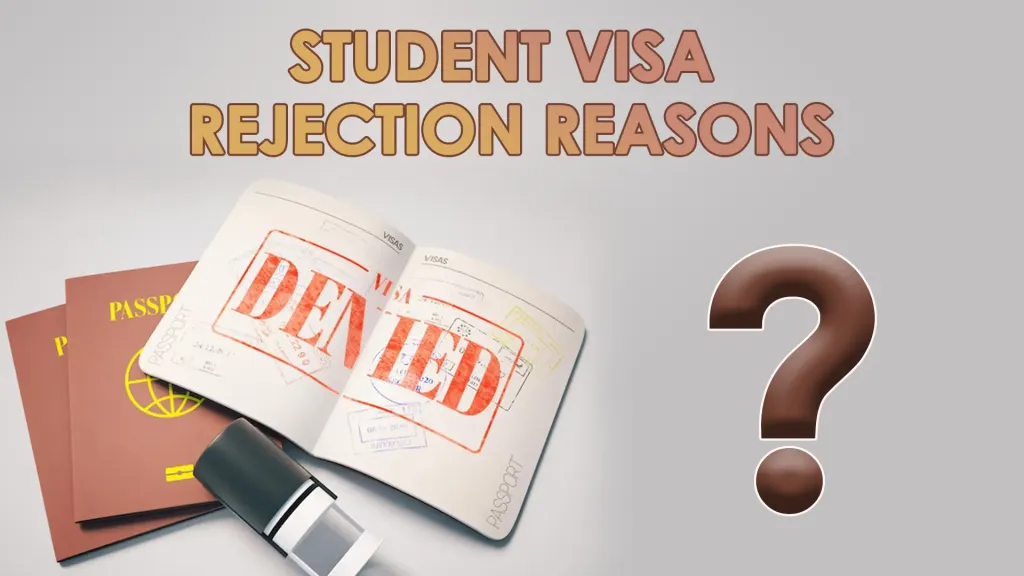
Mandatory Reporting: In most countries, universities are legally required to notify immigration authorities (like the Home Office in the UK or the Department of Home Affairs in Australia) if a student is suspended or expelled.
Visa Termination: Once your enrollment is canceled, your student visa (e.g., Subclass 500 or F-1) is typically terminated automatically. You are then given a very short window—often just 15 to 28 days—to leave the country.
The Permanent Record: An expulsion for academic dishonesty remains on your record. This makes it nearly impossible to get a visa for another country or a job in a regulated field like Law, Engineering, or Medicine.
The "New" Misconduct of 2026: AI & Collusion
In 2026, the definition of misconduct has expanded beyond just "copy-pasting."
AI Misuse: Submitting work written by AI is now treated with the same severity as hiring a human ghostwriter. Even if the text is unique, the lack of "original thought" is an integrity breach.
Collusion: "Helping" a friend by sharing your old assignment or working too closely on an individual project is now strictly monitored. In the UK, both the person who copied and the person who shared the work are often punished equally.
The Escalation of Penalties
Universities categorize misconduct into levels, but the ladder is short:
Level 1 (Poor Academic Practice): Minor citation errors. Usually results in a grade cap (maximum 40%) and a mandatory "integrity workshop."
Level 2 (Moderate Plagiarism): Copying sections of text or unauthorized AI use. Typically results in a 0% mark for the module and a formal mark on your permanent record.
Level 3 (Severe Misconduct): Buying assignments, falsifying data, or repeated offenses. This leads to immediate expulsion and notification to immigration.
A Final Reality Check
By 2026, universities have invested millions in Turnitin Software that doesn't just check for matching text, but analyzes your "writing voice." If your style suddenly changes between your first and second assignment, the system flags it for a human review.
The best way to survive is to realize that ignorance is not a defense. If you don't know how to cite properly, it is your responsibility to visit the university library and learn before you submit. In the international academic world, your honesty is worth more than any grade.